Best Yarn for Amigurumi: What to Look For
The yarn qualities that actually matter for tiny, tightly-stitched projects — and the ones that don't.
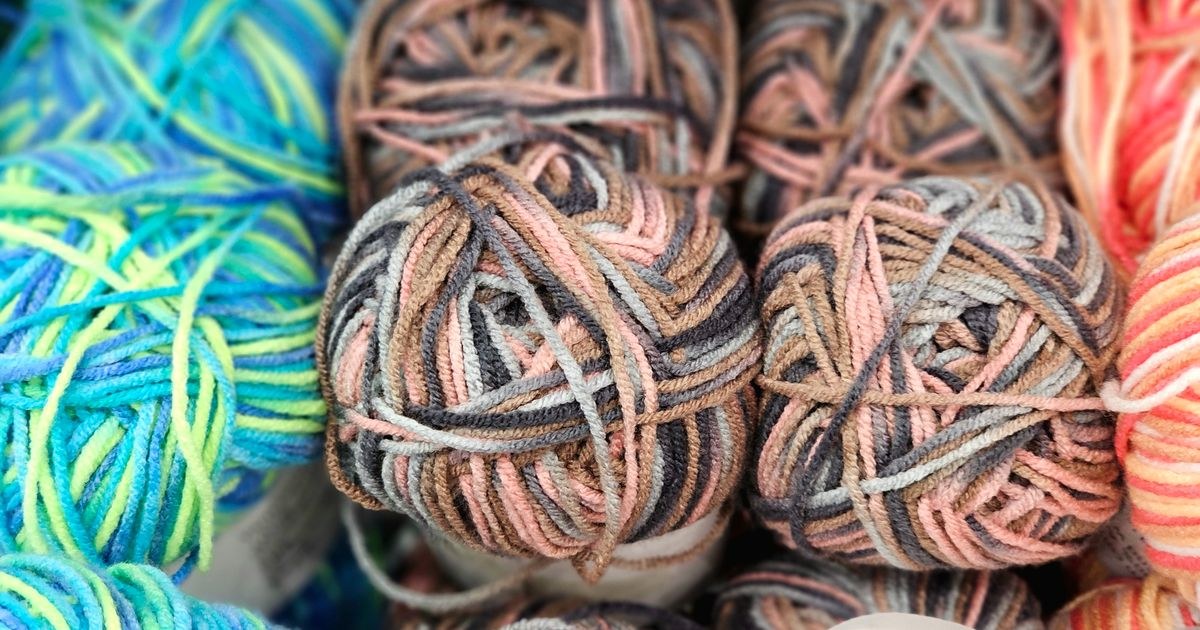
In my classes, the question I get asked more than any other is "can I use whatever yarn is in my basket?" — and my answer depends entirely on whether we're making a blanket or a tiny stuffed animal. The student I remember most clearly came back a week after our first amigurumi lesson with a bear she'd made from a gorgeous fuzzy mohair she'd been saving. She held it up proudly, then laughed, because the bear looked less like a bear than a soft grey cloud with ears — every careful increase and decrease had disappeared into the halo of loose fibre. The very next week she remade it in a plain, smooth worsted acrylic, and for the first time she could actually read her own stitches. Nothing else changed. That difference between yarns is what this whole guide is about.
Weight: worsted or lighter
Most amigurumi patterns, including the ones on this site, are written for worsted/#4 or DK/#3 weight yarn. Bulky yarn can work for larger toys, but it tends to hide the fine shaping detail that makes amigurumi faces and features read clearly — see our yarn weight guide for how the weight system works.
Fiber: acrylic vs cotton vs blends
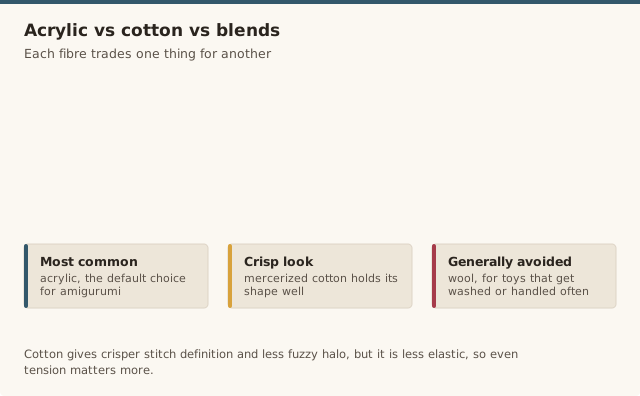
- Acrylic — affordable, holds its shape well, wide color range, and doesn't felt or shrink when hand-washed. The most common choice for amigurumi.
- Cotton — firmer stitch definition and less fuzzy "halo" than acrylic, good for a crisp look, though less elastic, so even tension matters more.
- Wool or wool blends — soft and warm-feeling, but can felt or shrink if machine washed, so generally best avoided for toys that will be handled or washed often.
Ply and texture
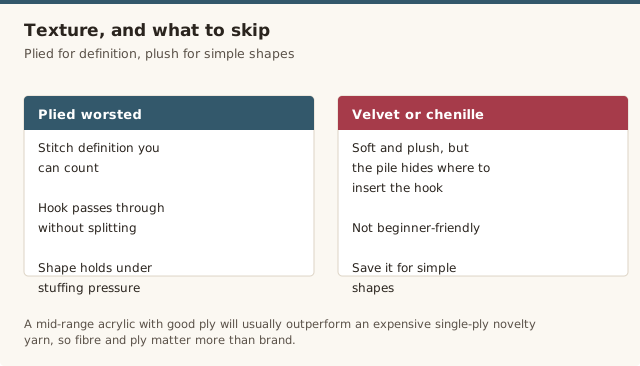
Look for a plied yarn — multiple thin strands twisted together, visible if you untwist a short length — rather than a single unplied strand. Plied yarn holds its stitch shape better under stuffing pressure and is less likely to split as your hook passes through it. If you're new to the tight gauge amigurumi needs, our amigurumi for beginners guide walks through the same techniques step by step.
Color and colorfastness
For toys given to children, check the yarn label for colorfastness or "safe for washing," since some hand-dyed or novelty yarns can bleed color when damp, which may transfer to skin, fabric, or other parts of the toy touching it.
How much to buy
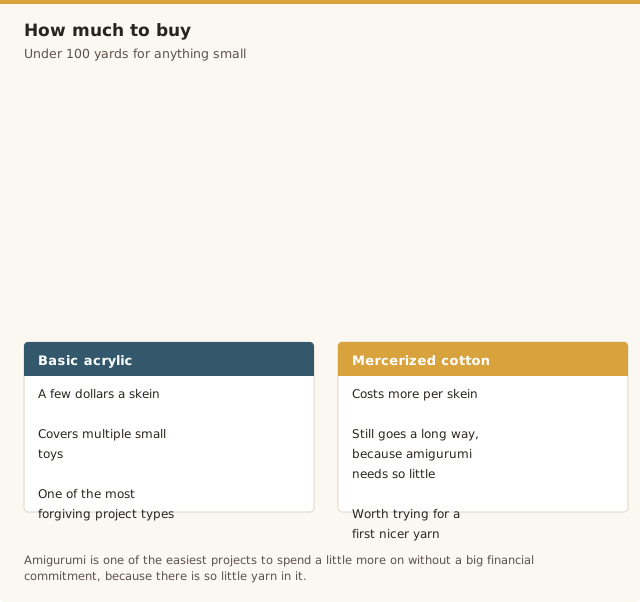
Most small amigurumi under 6in / 15cm tall use surprisingly little yarn — well under 100 yards total across all the pieces, which usually means a single standard skein finishes several toys with plenty left over. Bigger projects like our amigurumi bear pattern still only use about 80–100 yards, so buying one or two skeins per project rather than stocking up in bulk is usually enough unless you're planning a whole batch of toys in the same colour.
Budget-wise, a basic acrylic skein typically runs a few dollars and covers multiple small toys, while mercerized cotton or a nicer blend costs more per skein but still goes a long way given how little amigurumi actually needs — it's one of the most forgiving project types to try a slightly nicer yarn on without a big financial commitment.
Quick shopping checklist
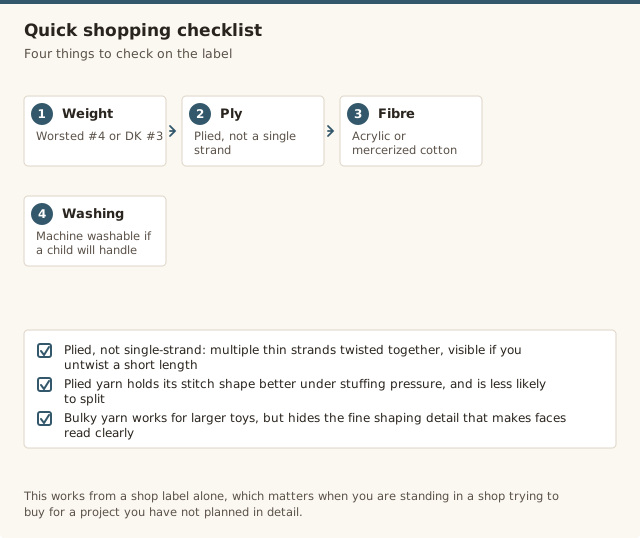
- Worsted (#4) or DK (#3) weight
- Plied, not single-strand
- Acrylic or mercerized cotton for stitch definition
- Machine washable if the toy will be handled by children
Common mistakes & fixes
Fix: switch to a smooth, plied worsted or DK-weight yarn — acrylic or mercerized cotton both show clean stitch definition, which matters far more on a small toy than fibre prestige does.
Fix: check the label for colorfastness or "safe for washing" before starting, and test a small scrap with a damp cloth first if the label doesn't say either way.
Fix: stick to worsted (#4) or DK (#3) weight for anything under about 8in / 20cm tall, saving bulkier yarn for larger toys where fine detail matters less.
Frequently asked questions
Can I use scrap or stash yarn for amigurumi?
Yes, amigurumi is one of the best stash-buster projects since most pieces use small amounts — just try to keep weight consistent within a single project so pieces match in scale.
Does yarn brand matter more than fiber type?
Fiber and ply matter more than brand — a mid-range acrylic with good ply will usually outperform an expensive single-ply novelty yarn for stitch definition.
What hook size should I use with amigurumi yarn?
Usually 1–2mm smaller than the size printed on the yarn label, which tightens the fabric and helps hide stuffing — see our amigurumi for beginners guide for more on this.
Is cotton or acrylic better for amigurumi?
Cotton gives crisper stitch definition and holds shape well but is less forgiving to work with; acrylic is softer on the hands and more affordable, making it the more common choice for beginners.
How much yarn do I need for a typical amigurumi project?
Most small amigurumi (under 6in / 15cm) use well under 100 yards, so a single standard skein is usually enough for several finished pieces.
Can I use velvet or chenille yarn for amigurumi?
You can, but it isn't beginner-friendly. Velvet and chenille yarns are soft and plush, but their loose pile hides stitch definition and makes it harder to see where to insert your hook, so they're better saved for simple shapes once you're comfortable reading your stitches. They can also shed or "worm" out of the fabric if ends aren't secured very tightly.
What yarn is best for amigurumi that will be washed often?
For toys that will be machine washed often, a smooth plied acrylic is usually the most practical choice, since it holds its shape and won't felt the way wool can. Mercerized cotton is another good washable option if you prefer a crisper look.
CrochetGuides is a participant in the Amazon Services LLC Associates Program. As an Amazon Associate we earn from qualifying purchases, at no extra cost to you.