How to Wash Crochet Items Without Ruining Them
The care label on the yarn label matters more than habit — wash a wool sweater like an acrylic one and you'll felt it into something two sizes smaller.
A friend once handed me a beautiful wool baby blanket her grandmother had made, asking why it had come out of the wash the size of a placemat. She'd done exactly what she'd have done with any other blanket: tossed it in the machine on a normal cycle, warm water, ordinary detergent. For a cotton or acrylic piece, that would have been completely fine. For a hand-worked wool blanket, it was the washing equivalent of putting a wool sweater through a hot dryer — the heat and agitation had felted the fibers together permanently, and there was no undoing it.
That story sits with me because it's such an easy mistake to make, and such an avoidable one. Handmade crochet doesn't come with a printed care label the way store-bought clothing does, so the instructions live in the maker's head, or nowhere at all. The fiber the piece is made from determines almost everything about how it should be washed and dried, and getting that one detail right is the difference between an heirloom that lasts decades and a cautionary tale.
This guide breaks washing down by fiber type, covers drying methods that preserve shape instead of distorting it, and walks through the specific cases — amigurumi with stuffing, pieces with safety eyes or buttons, garments you're worried about shrinking — that need a slightly different approach than a plain blanket or dishcloth.
Washing by fiber type
Before washing anything, check what yarn it was made from, since fiber is the single biggest factor in how it should be treated. If you don't know, err toward the gentlest method: cool water, hand washing, dry flat.
| Fiber | Machine safe? | Water temp | Notes |
|---|---|---|---|
| Acrylic | Usually, on gentle/delicate | Cool to lukewarm | Most forgiving fiber; still avoid high heat when drying |
| Cotton | Often, check gauge and embellishments first | Cool | Can lose shape if the fabric is loosely worked; reshape while damp |
| Wool | No — hand wash only | Cool | Heat plus agitation causes permanent felting and shrinkage |
| Wool blends | Depends on wool percentage | Cool | Treat as wool unless the label states otherwise |
| Novelty/eyelash yarn | No — hand wash only | Cool | Machine agitation can shed or mat the textured fibers |
If you're working from stashed yarn without a label, our yarn weight guide covers how to identify what you're working with, though fiber content is a separate question from weight and worth confirming from the ball band if you still have it.
How to hand wash a crochet item, step by step
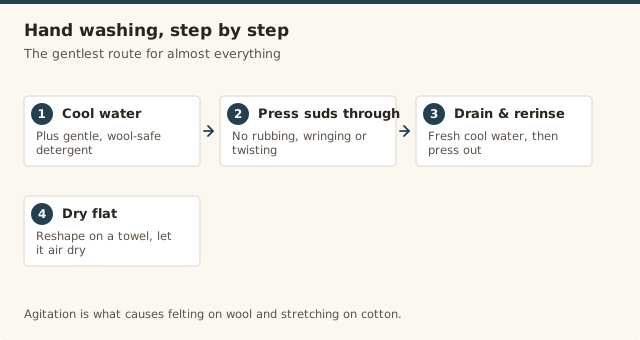
- Fill a basin or sink with cool water and a small amount of gentle, wool-safe detergent if the fiber calls for it.
- Submerge the item and gently press suds through the fabric with your hands. Don't rub, wring, or twist, since that agitation is what causes felting on wool and stretching on looser cotton work.
- Drain the soapy water and refill with clean cool water to rinse, pressing gently again until the water runs clear of suds.
- Lift the item out supporting its full weight rather than letting it hang from one point, since wet fibers stretch easily under their own weight.
- Lay it on a clean towel, roll the towel up to press out excess water, then unroll and move to a dry surface to air dry flat.
When machine washing is safe
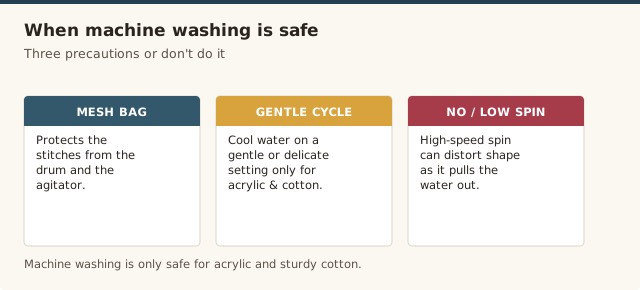
Acrylic and sturdy cotton pieces can usually go in the machine on a gentle or delicate cycle in cool water, but a few precautions matter. Place the item inside a mesh laundry bag to protect the stitches from stretching against the drum or agitator, and skip the spin cycle or use the lowest available spin speed, since high-speed spinning can distort shape as badly as agitation during the wash itself. Always skip fabric softener on crochet, since it can leave a coating that affects stitch definition and, on natural fibers, reduce their ability to hold a block.
Drying without losing shape
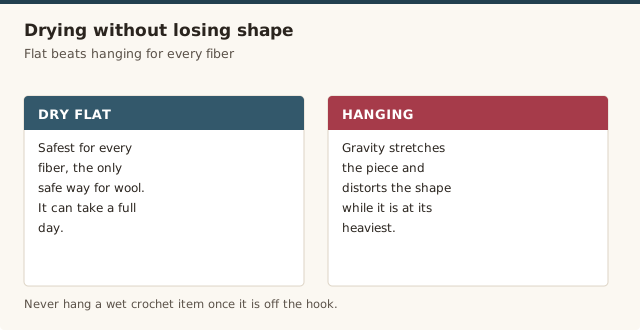
Drying flat is the safest method for every fiber, and the only safe method for wool. Lay the item on a dry towel or a dedicated blocking mat, gently reshape it to its intended dimensions, and let it air dry completely before moving or wearing it, which can take a full day or more for thicker pieces. Hanging a wet crochet item to dry, rather than laying it flat, is one of the most common causes of permanent stretching, since the wet fabric's own weight pulls it longer as it dries.
For acrylic pieces only, a dryer on low or no heat can be used if you're short on time, but check the care instructions for the specific yarn if you still have them, since some acrylics are more heat-sensitive than others. When in doubt, dry flat instead: it costs time, not risk.
Washing stuffed amigurumi
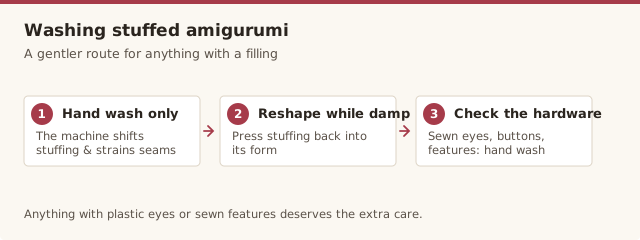
Amigurumi needs a gentler approach than flat pieces because of the stuffing inside. Hand wash rather than machine wash, since the tumbling motion of a machine can shift stuffing unevenly or strain seams that are holding limbs or features in place. While the piece is still damp, firmly reshape it by hand — press the stuffing back into its intended form, straighten limbs, and round out the head or body — since fibers set into whatever shape they hold as they dry, and a misshapen damp toy will dry misshapen too. Let it air dry fully, which can take longer than a flat piece of similar size because the stuffing traps moisture, before handling it again.
Buttons, safety eyes, and embellishments
Anything with attached hardware, plastic safety eyes, buttons, sewn-on felt features, deserves hand washing over machine washing regardless of the yarn fiber, since machine agitation puts more mechanical strain on the point where those pieces are anchored than gentle hand washing does. Before washing, check that safety eye backings are still fully seated and that any sewn-on pieces feel secure; it's much easier to reinforce a loosening feature before washing than to fish a lost button or eye out of a washing machine afterward.
Spot cleaning between full washes
For a small mark or spill, a full wash is often more wear than the item needs. Dab the spot with a cloth dampened in cool water and a tiny amount of gentle detergent, working from the outside of the mark inward so you don't spread it further, then blot with a dry towel and let it air dry flat. This handles most everyday marks without exposing the whole piece to the shrinkage and shape-loss risk of a full wash.
Airing an item out, laid flat or draped over a clean surface for a few hours, also refreshes it between washes without any water at all, and is worth doing as a first step before deciding a full wash is actually necessary. This is especially useful for wool pieces, where every wash carries some risk, however small, and for items you reach for often, like a favorite beanie, where washing on a fixed weekly schedule would wear the fabric down far faster than the actual dirt or odor warrants.
Common mistakes & fixes
Fix: always check fiber content first. Wool needs cool water, gentle hand washing, and drying flat; treating it like acrylic risks permanent felting and shrinkage.
Fix: dry flat instead. A hanging wet piece stretches under its own weight as it dries, which can permanently distort the finished shape and size.
Fix: use cool water on every fiber. Hot water is the main driver of shrinkage and felting, and it doesn't meaningfully improve cleaning for the kind of light, occasional washing most crochet items need.
Fix: hand wash anything with attached hardware, and check that eyes and buttons are firmly seated before washing either way.
Fix: spot clean small marks and air items out between full washes where possible. Crochet fabric shows cumulative wear from washing faster than most machine-knit textiles, so washing only when actually needed extends its life.
Frequently asked questions
Can you machine wash crochet items?
It depends on the fiber. Most acrylic and acrylic-blend crochet is machine washable on a gentle or delicate cycle in cool water, ideally inside a mesh laundry bag to protect the stitches from stretching against a washer's agitator. Wool, cotton with a loose gauge, and anything with attached embellishments like buttons or safety eyes are safer hand-washed.
How do you wash a wool crochet blanket or sweater?
Hand wash in cool water with a wool-safe detergent, gently squeezing suds through the fabric rather than rubbing or twisting, which can felt the fibers. Rinse in cool water until it runs clear, press out excess water with a towel, and dry flat.
Can you tumble dry crochet items?
Heat is the bigger risk than tumbling itself. Acrylic can be tumble dried on low or no heat, but high heat can scorch or permanently distort the fibers. Wool should never go in a dryer, since heat and tumbling together cause felting and irreversible shrinkage. Drying flat is the safest choice for any fiber if you're unsure.
Why did my crochet blanket shrink after washing?
Shrinkage almost always means heat, usually from hot water, a hot dryer, or both, combined with agitation. This is especially permanent on wool, which felts when heat and friction are applied together. Cool water and gentle handling prevent this on any fiber.
How do I stop a stuffed amigurumi toy from losing its shape when washed?
Hand wash amigurumi rather than machine washing, and reshape it firmly by hand while it's still damp, before it dries, since fibers set into whatever shape they're in as they dry. Stuff it back into its original form and let it air dry fully before handling it again.
Is it safe to wash crochet items with safety eyes or buttons attached?
Hand washing is safer than machine washing for anything with safety eyes, buttons, or other attached hardware, since machine agitation puts more strain on the point where those pieces are secured. Check that safety eye backings are fully seated before washing either way.
How often should handmade crochet items be washed?
Less often than most machine-made textiles. Crochet fabric has more surface texture to trap odor and dust, but frequent washing is also what causes the most cumulative wear and shape loss, so spot cleaning and airing out between washes extends an item's life considerably compared to washing on a fixed schedule.
CrochetGuides is a participant in the Amazon Services LLC Associates Program. As an Amazon Associate we earn from qualifying purchases, at no extra cost to you.