Best Crochet Hooks 2026: 7 Brands Compared by a Teacher
The same stitch feels completely different on a Boye, a Clover, and a Furls — here's what actually separates the big crochet hook brands, and which of the best crochet hooks is right for you, from someone who has watched hundreds of students try them.
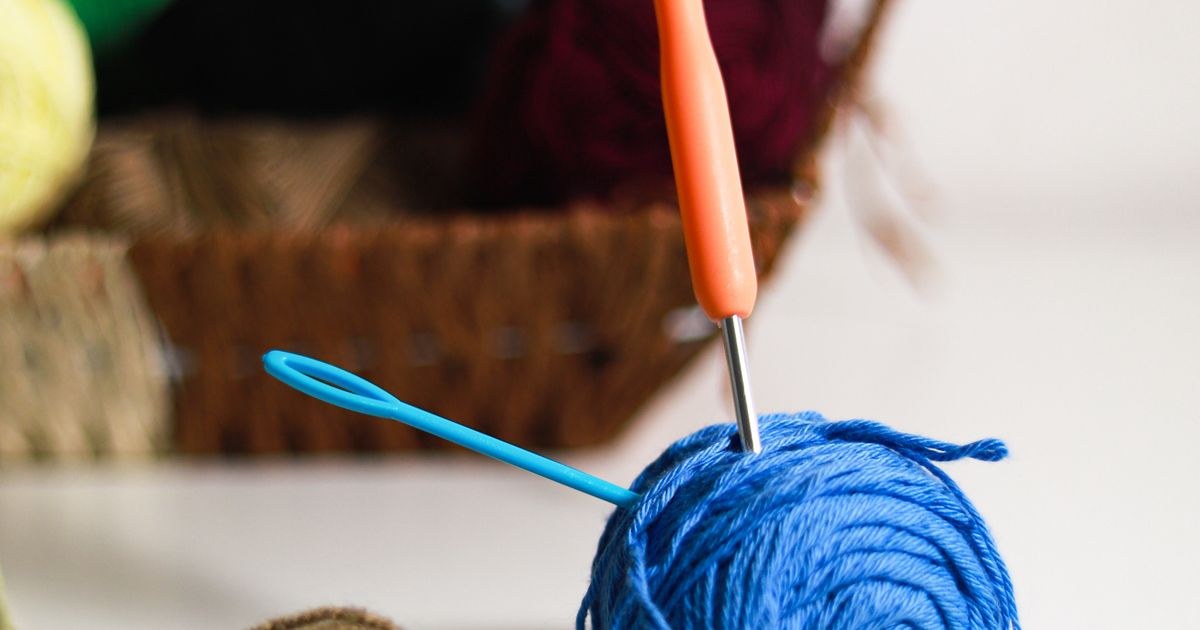
Every so often a student comes to class convinced her crochet is the problem, when what she's really fighting is a hook that doesn't suit her hand. A few years ago I handed a beginner two hooks to try on the same swatch — one a slim tapered aluminum, the other a soft-grip Clover Amour. She stitched a few rows with each, then looked up and said, "I thought it was supposed to be hard." It wasn't the yarn, the pattern, or her technique that changed. It was the brand — or more precisely, the grip shape, head profile, and glide that particular brand happened to build into its hook.
After twelve years of teaching, I've watched hundreds of people work through the same confusion, and I've stitched with every major brand long enough to have real opinions about them. What follows is my honest, hands-on comparison of the best crochet hooks on the market — Clover, Tulip, Boye, Susan Bates, Prym, Furls, and the generic bamboo sets you'll see everywhere — not a list of "the best" so much as a map of what each one is actually good at, and who it will suit.
Which one should you actually buy?
If you only read one thing on this page, read this table. Every pick below is one of the seven brands compared further down, and the reason is in the last column — not a sales pitch.
| If you want… | Buy | Roughly | Because |
|---|---|---|---|
| The best crochet hook overall | Clover Amour | $8–$12 | Smooth glide and a knife-grip handle that stays comfortable in long sessions. This is the one I hand to most students. |
| The best crochet hooks for beginners | Susan Bates | $2–$5 | An inline head keeps tension even, so early mistakes stay small and unfrustrating. |
| Cheapest hooks that still feel good | Boye | $2–$5 | The same tapered head many beginners already have. Nothing to relearn, and far cheaper than a starter set. |
| Best crochet hooks for arthritis or hand pain | Furls | $25–$60+ | A large sculpted grip removes the pinch that causes the pain. Worth the money if hand fatigue stops you crocheting. |
| Smoothest glide for pencil-grip hands | Tulip Etimo | $9–$14 | A cushioned, slimmer handle for people who hold a hook like a pencil. |
| Something warm and very light | Prym | $6–$10 | Ergonomic flat handle in soft plastic. Noticeably lighter than aluminium. |
| A full set for very little money | Generic bamboo sets | $10–$20 | Fine for learning and slippery yarn, but grip and tension vary between sellers. |
The best crochet hooks at a glance
Below is the full field: price, grip, material and what each brand is genuinely good at. If you already know your budget and your grip style, the table above will have answered your question — this one is the reference.
The price ranges below are approximate and reflect what I've seen in shops and online, so treat them as a guide rather than a quote. The "best for" column is where my own teaching experience comes in, so if it doesn't match another review, that's fine — hand comfort is genuinely personal.
| Brand | Price range | Grip | Material | Best for |
|---|---|---|---|---|
| Clover Amour | $8–$12 per hook | Contoured soft elastomer, rounded | Aluminum shaft | All-round daily driver, knife-grip comfort |
| Tulip Etimo | $9–$14 per hook | Cushioned, slightly slimmer | Aluminum shaft | Silky glide, pencil-grip crocheters |
| Boye | $2–$5 per hook | Thin tapered shaft, optional sleeve | Aluminum | Budget, tapered-head preference |
| Susan Bates | $2–$5 per hook | Inline head, flat thumb rest | Aluminum | Inline preference, even tension |
| Prym | $6–$10 per hook | Ergonomic flat handle, soft plastic | Plastic/carbon composite | Warm feel, very lightweight grip |
| Furls | $25–$60+ per hook | Large sculpted or streamline grip | Wood or resin | Hand fatigue, luxury upgrade |
| Generic bamboo sets | $10–$20 per set | Plain round shaft, light | Bamboo/wood | Budget starter sets, slippery yarn |
Notice how the two columns that vary the most are grip and head shape, not price. A ten-dollar hook with the wrong grip will annoy you more than a three-dollar hook with the right one, which is exactly why I tell students to figure out their grip before they spend real money on a premium brand. If you're brand new to all this and want a gentler introduction to sizes and materials first, the hook size chart walks through the basics without assuming you know any of it.
Inline vs tapered: how the brands split
The single most useful distinction in this whole comparison is the one almost no packaging tells you: whether a brand's hooks are inline or tapered. It sounds like jargon, but it's just a description of the head.
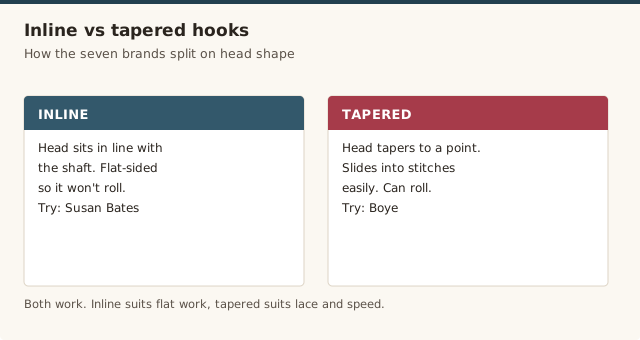
An inline hook has a head that sits flush with the shaft — the throat cuts straight in, so the yarn loop sits neatly at the same width as the shaft. This makes tension more even and, in my experience, is slightly more forgiving for beginners, because the loop has nowhere to slide. A tapered hook narrows gradually toward the tip, which lets it slip through tight stitches more easily, but the trade-off is that it's a little easier to drop a stitch from.
Brands tend to commit to one or the other, which means choosing a brand is partly choosing a head shape. Susan Bates is the classic inline hook, with a flat thumb rest and a head that sits flush — my go-to recommendation when a beginner's yarn keeps slipping. Boye is the classic tapered hook, the one most of my students inherited from a grandparent's stash. Clover Amour and Tulip Etimo sit closer to the tapered end, but their heads are polished so smoothly that the yarn slides without the same drop-a-stitch tendency you get on a cheap tapered hook. Prym and Furls feel more like inline in practice, with a defined throat that holds the yarn predictably.
If you already own a hook but can't tell which it is, look at the throat: if the head cuts straight down to the shaft with a little ledge, it's inline; if it slopes smoothly in, it's tapered. Knowing this one detail will explain most of the "I just don't like this hook" feelings you'll ever have.
Budget vs premium: what the extra money actually buys
This is the question I get asked the most, so I'll be direct: the extra cost of a premium hook buys you a smoother glide and a more comfortable handle, and almost nothing about the finished stitch itself. The fabric a Clover Amour produces is not magically better than the fabric a Boye produces — the stitches are identical. What changes is how your hand feels after two hours.
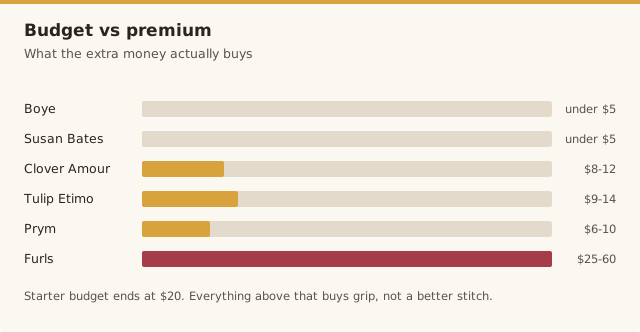
Cheap aluminum hooks, especially the no-name ones, often have tiny burrs or seams at the tip from manufacturing, and you can feel them catch on splitty yarn. Premium hooks are polished until the yarn slides through with almost no resistance, which genuinely matters on a long project with a fussy yarn. That's not marketing — I've watched a student who was ready to quit a wool-blend blanket turn it into a pleasure simply by swapping to a smoother hook.
None of that means you should skip budget brands. A Susan Bates or Boye hook is completely honest equipment, and plenty of my students have crocheted for years without ever spending more than five dollars on a hook. The honest guidance I give is this: start cheap while you're learning, and if you find yourself crocheting several evenings a week, treat yourself to one premium hook in your favourite size and feel the difference for yourself. You'll know within a project whether it's worth building a set. And if hand strain is part of why you're looking at brands at all, our best crochet hooks for arthritis guide goes deeper on grip comfort specifically.
The best crochet hooks for beginners: which to buy first
If you're standing in front of a wall of hooks with no idea where to start, here's the order I'd actually recommend, based on what I've seen work in classes:
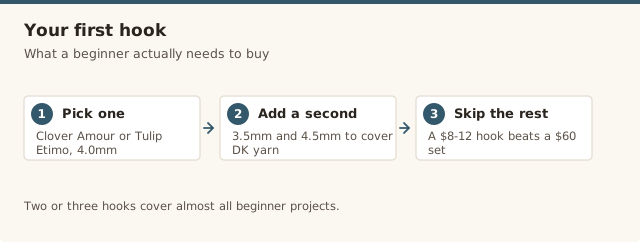
- Complete beginner, tight budget: a single Susan Bates 5.0mm inline hook. The flush head holds your yarn predictably while you're still learning tension, and it costs almost nothing.
- Beginner who wants a little comfort: a single Clover Amour 5.0mm. The soft handle keeps your hand happy during the long practice sessions that come with learning.
- Crocheter with hand pain or fatigue: try a Furls or a soft-grip Clover Amour, and pair it with the advice in the arthritis guide rather than pushing through.
- Crocheter who works mostly with slippery yarn: a Prym or a bamboo hook, which grip the yarn more than smooth metal.
The pattern I keep seeing is that people buy a full premium set early, love three of the sizes, and ignore the other seven. The three sizes that do the overwhelming majority of the work in my classes are 4.0mm, 5.0mm, and 6.0mm. Before you invest in a full branded set, make sure the brand actually suits your hand in those sizes — and if the size system itself is confusing you, the hook size chart untangles the US/UK/metric mess once and for all.
Wood vs metal vs plastic: what the material changes
Material is the third axis, after grip and head shape, and it mostly affects two things: how fast the hook glides and how warm it feels.
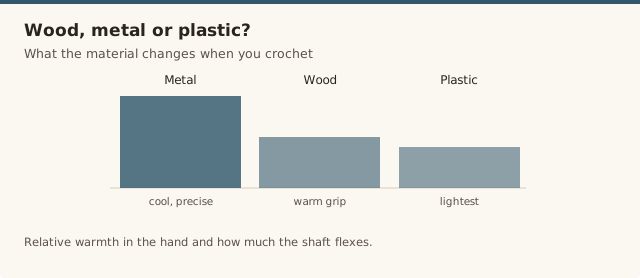
Metal (aluminum, and the steel hooks used for fine thread) glides the fastest and is the most durable — it's what the smooth glide of a Clover or Tulip is built on. The downside is that it conducts heat, so a cold room makes a cold hook, and on the smallest sizes a metal hook can feel unforgiving.
Wood and bamboo glide less, which sounds like a downside until you're working with a slippery yarn like silk or a bamboo blend that otherwise slides straight off a metal hook. They also feel warm in the hand, which a lot of my students love in winter. The trade-offs are real though: small wooden hooks snap, they can drag on tightly spun or splitty yarn, and the cheaper bamboo sets vary a lot in quality from one hook to the next.
Plastic, as in Prym's hooks, sits somewhere between the two — warmer than metal, lighter than wood, with a softness that some hands find very comfortable. It's not as slick as polished aluminum, but for a warm, forgiving feel at a mid-range price it's a genuine third option rather than a compromise.
My honest summary: if you crochet mostly with smooth acrylic or wool, a metal hook in your favourite brand will serve you best. If you find yourself fighting slippery or splitty yarns, try one wood or bamboo hook before committing to a set, and let the yarn's behaviour — not the aesthetics — make the decision. The weight of the yarn matters here too, which the yarn weight explained guide covers if you want to match hook to yarn properly.
Common mistakes & fixes
Fix: buy one hook in a size you use often, live with it for a full project, and only then build the set. Grip preference is personal, and a wrong handle across ten sizes is an expensive error.
Fix: treat "ergonomic" as a category, not a spec. A soft slim grip and a big sculpted grip suit different hands and different grips, so compare the actual shape rather than the label.
Fix: if your yarn keeps sliding off, try an inline hook like Susan Bates before abandoning a whole brand. If tight stitches are hard to enter, a tapered head often slips in more easily.
Fix: let your usual yarn decide. Smooth metal for slick acrylics and wools, grippier wood or bamboo only for slippery fibres — and test a single hook first.
Fix: a tiny burr at the tip is a manufacturing flaw, not normal. If a hook catches on your yarn, feel the tip with a fingertip — a smooth premium hook or even a better-finished budget one will glide noticeably cleaner.
Fix: try the brand in your most-used size first. Very large and very small hooks feel different in any brand, so judge by the size you actually crochet with day to day.
Frequently asked questions
What is the best crochet hook brand overall?
There isn't a single best brand, because the right hook depends on your grip and the head shape you prefer. In my classes the two most consistently loved are Clover Amour and Tulip Etimo for their smooth glide and comfortable handles, but plenty of my students happily crochet for years on budget Susan Bates or Boye hooks.
Are expensive crochet hooks like Clover Amour or Tulip Etimo worth the money?
For most people yes, if you crochet regularly. The difference is mainly in the smoothness of the glide and the comfort of the handle, not in the stitches themselves, so if you only crochet occasionally a budget hook works just fine. If you crochet for long sessions or have hand pain, the extra comfort usually pays for itself quickly.
What's the difference between inline and tapered crochet hooks?
An inline hook has a head that sits flush with the shaft, which gives more even tension and is slightly more forgiving for beginners. A tapered hook narrows toward the tip, which slides through tight stitches more easily but is a little easier to drop a stitch from. Brands tend to favour one or the other, so knowing which you prefer narrows your choice quickly.
Is Clover Amour or Tulip Etimo better?
Both are excellent and the choice is largely personal. In my experience Clover Amour has a slightly more rounded handle that suits a knife grip, while Tulip Etimo has a slimmer, cushioned handle that pencil-grip crocheters often prefer. If you can, hold both before committing, since the glide on both is similarly smooth.
Are wooden or metal crochet hooks better?
Neither is strictly better. Metal hooks glide faster and last longer, which most crocheters prefer for smooth, tightly spun yarns. Wood and bamboo have more grip, so they suit slippery yarns and can feel warmer in the hand, but they snap more easily in small sizes and can drag on splitty yarn.
Do I need to buy a full set of premium hooks?
Not to start. Buy one hook from a brand in a size you use often, live with it for a project, and only then build a set if the grip and glide suit you. A full premium set is a meaningful investment, and getting the wrong handle shape across ten sizes is an expensive mistake to correct.
Which crochet hook brand should a beginner start with?
Start with a single 5.0mm (US size H) hook in any reputable brand rather than chasing a specific name. A Susan Bates inline hook or a Clover Amour if your budget allows are both forgiving choices, and the most important thing is a size that pairs with common worsted yarn, not the logo on the handle.
CrochetGuides is a participant in the Amazon Services LLC Associates Program. As an Amazon Associate we earn from qualifying purchases, at no extra cost to you.