Best Crochet Hooks for Arthritis and Hand Pain
The grip shapes, materials, and hook features that genuinely reduce hand strain — not just marketing claims.
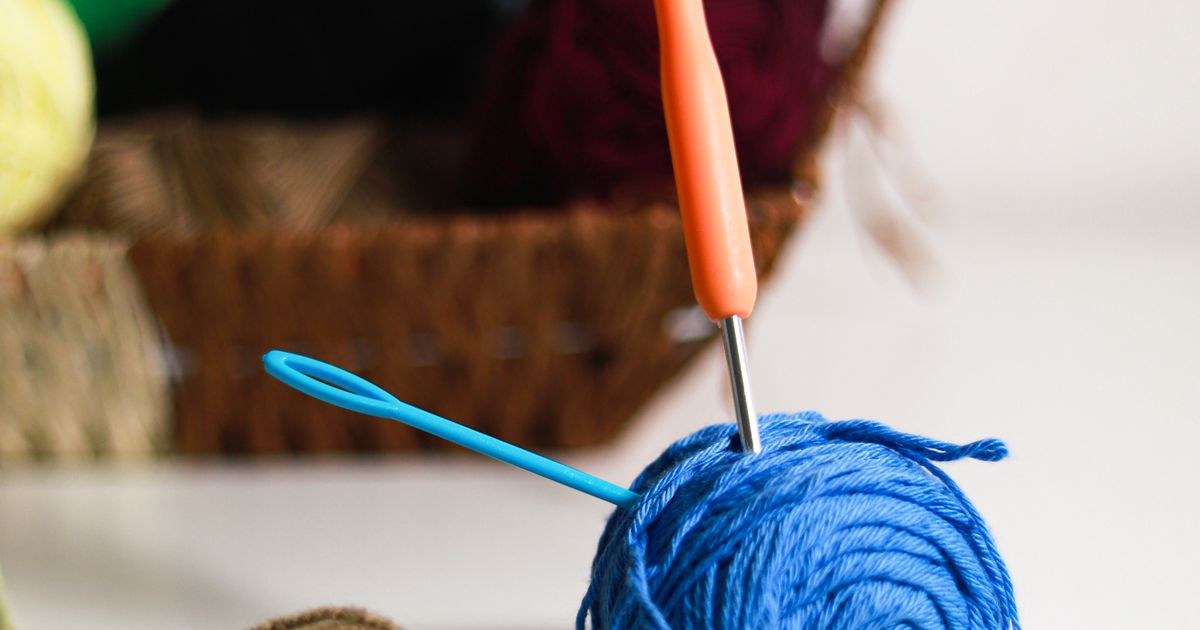
In my classes, the mistake I see most often is a student who arrives in pain and blames the craft, when the real culprit is a thin metal hook forcing their fingers into a tight pinch grip for hours at a stretch. A few years ago a regular brought in a hook she'd used for decades, worn smooth from her own hand, and told me crochet had started to hurt her badly enough that she'd considered giving it up. I handed her a wider, contoured hook for the same project, and within twenty minutes she looked up, startled, and said it felt like a completely different task. The yarn and the stitches were identical — only the grip had changed. That is the single fact everything on this page is built around: for painful or arthritic hands, the shape of the handle matters more than almost anything else.
Crochet is often recommended as a gentle hobby, but a standard thin hook can still be hard on painful or arthritic hands during long sessions. The good news is that a handful of specific, checkable features make a real difference, regardless of brand or price.
What actually helps
Most of the marketing language around "ergonomic" hooks is vague on purpose, so it helps to know exactly which physical features are doing the work before you spend money on anything. The four features below are the ones that consistently show up in what occupational therapists recommend and what long-time crocheters with arthritis or joint pain actually report using day to day — everything else, including color, brand name, and price, tends to matter far less.
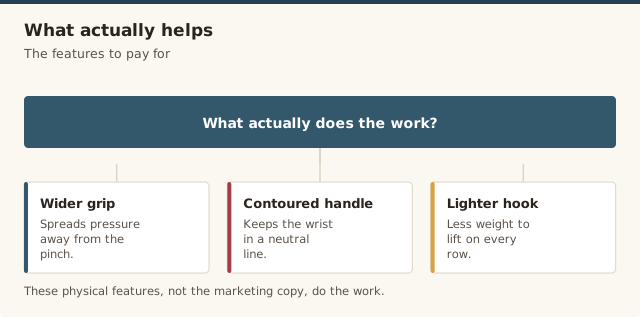
- Ergonomic (contoured) handles — wider than a standard hook shaft, shaped to rest in the palm rather than pinched between fingertips.
- Lightweight materials — aluminum or hollow ergonomic handles reduce the weight your fingers support over a long session.
- Larger hook sizes, where the pattern allows — a slightly bigger hook with correspondingly thicker yarn needs less small, repetitive finger motion per stitch.
- Smooth, polished hook heads — reduce the grip force needed to pull yarn through, since a snagging hook forces a tighter grip.
Grip styles to look for
The three options below are the ones that come up most often, and the real difference between them is how much discomfort you are dealing with right now — not how “serious” a crocheter you are.
Options
- Contoured or rubberized flat-sided handles — best for general pinch-grip strain and early-stage discomfort.
- Extra-large soft foam handles — best for more significant grip weakness, and the most different in feel from a standard hook.
- Standard aluminum with a light rubber sleeve added — a low-cost way to test whether a wider grip helps before buying a dedicated ergonomic hook.
| What you’re dealing with | Start with | Why |
|---|---|---|
| Mild, occasional stiffness | A rubber sleeve on a hook you already own | Costs very little and tells you quickly whether a wider grip helps, before you commit to anything. Most early discomfort responds to this alone. |
| General pinch-grip strain, early-stage discomfort | Contoured or rubberized flat-sided handles | Wider than a standard shaft and shaped to rest in the palm rather than be pinched. Still small enough to feel like a hook, so it is the easiest switch. |
| Significant grip weakness or joint pain | Extra-large soft foam handles | The wider surface area spreads pressure more dramatically than a moderately contoured handle. Expect it to feel different from a standard hook for a day or two. |
There is no harm in starting cheap and working up. A rubber sleeve costs very little and tells you quickly whether a wider grip helps before you buy a dedicated ergonomic hook.
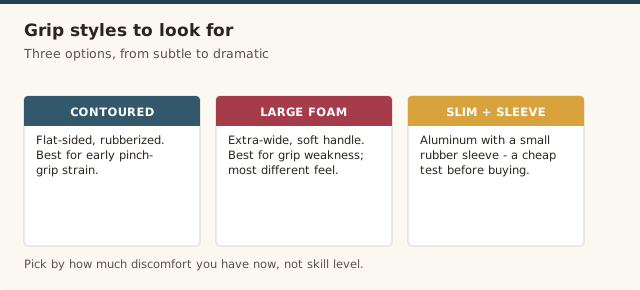
How to choose between these largely comes down to how much discomfort you're dealing with right now, not how "serious" a crocheter you are. Mild, occasional stiffness usually responds well to a contoured handle or even just a rubber sleeve added to a hook you already own. More significant grip weakness or joint pain tends to need the bigger jump to an extra-large foam handle, since the wider surface area spreads pressure more dramatically than a moderately contoured one. There's no harm in starting cheap and working up — a rubber sleeve costs very little and tells you quickly whether a wider grip helps before committing to a full ergonomic hook.
Other adjustments that help alongside a better hook
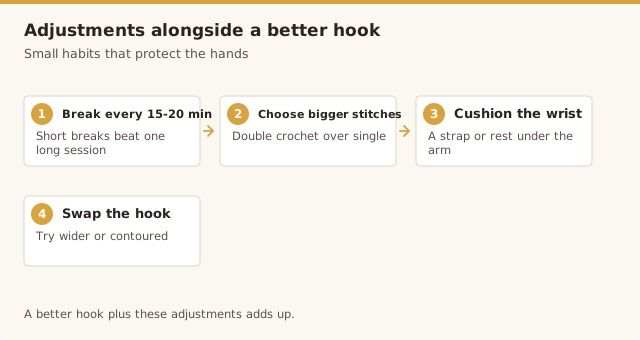
- Taking short breaks every 15–20 minutes rather than working in long sessions.
- Choosing looser, larger stitches, such as double crochet over single crochet, for projects where hand fatigue is a concern.
- Working with slightly thicker yarn and a larger hook to reduce the total stitch count per project.
- Trying a hook with a slight forward or offset angle at the head, which some crocheters find reduces wrist bend.
Hand exercises worth trying
A handful of simple hand and wrist stretches before and after a crochet session can make the next day noticeably easier, though none of this replaces guidance from a doctor or occupational therapist if pain is a regular problem. Gentle options many crocheters use: making a loose fist and slowly opening the fingers wide, ten times per hand; pressing the palms together in front of the chest and lowering them toward the waist to stretch the wrists; and rolling a soft ball or a bit of leftover yarn between the palms for a minute to warm up the small muscles before picking up a hook.
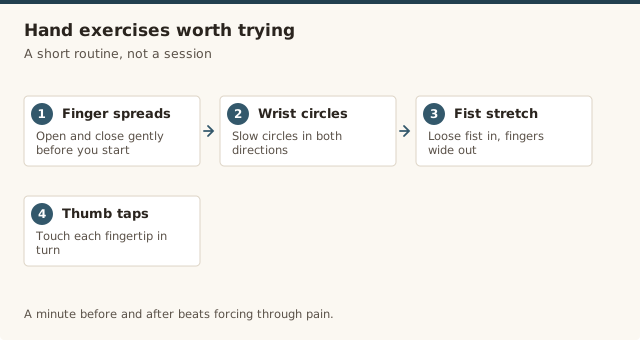
Warming your hands before starting also helps more than most people expect — cold joints and tendons are stiffer and more prone to aching, so a few minutes with a warm mug of tea in hand, or a quick run under warm water, can make the first ten minutes of a session much more comfortable. None of these substitute for medical treatment, but as a low-effort habit alongside a better hook, they add up.
Adapting patterns for pain days
Not every day feels the same, and it helps to have a plan for the days when hands are stiffer or more painful than usual rather than forcing through a pattern written for a good day. Swapping to a simpler stitch temporarily — single crochet instead of a textured stitch, or a plain granny square instead of a complex motif — keeps the habit going without the extra strain of tricky stitch counts or frequent color changes.
It's also worth keeping a "pain day" project in your bag alongside your main one: something with big, chunky yarn and a large hook that moves fast with minimal effort, like a simple cowl or a scrubby dishcloth. That way a harder day doesn't mean stopping crochet altogether, just switching to something kinder to your hands until the flare-up settles.
If you'd rather stay with the same pattern instead of switching projects, a few small substitutions can lower the strain without changing the finished look much: crocheting into the front or back loop only instead of both loops reduces how far you have to reach the hook into each stitch, and working a round or two looser than usual eases up on grip tension without being noticeable in the finished fabric. None of these are permanent changes — they're just there for the days you need them.
Common mistakes & fixes
Fix: treat a change in comfort as your cue to test a wider or contoured grip, rather than waiting until pain becomes a bigger problem.
Fix: test one hook in a size you use often first — grip preference is personal, and a full set is a bigger investment to get wrong.
Fix: pair an ergonomic hook with a smooth, soft yarn, especially for long sessions — the two work together, not separately.
Fix: keep taking breaks every 15–20 minutes even near the end — finishing a project a day later is a much smaller cost than a flare-up that keeps you from crocheting for a week.
A note on buying
Ergonomic hooks vary a lot between brands, and hand comfort is very individual. Where possible, try a single hook in a size you use often — our hook size chart can help you settle on the right one — before buying a full boxed set, since grip preference doesn't always match what reviews describe for other people.
When reading reviews online, it's worth looking specifically for mentions of arthritis, carpal tunnel, or hand pain rather than general star ratings, since those reviewers are describing the exact use case that matters here. It's also worth checking a retailer's return policy before buying a set, particularly for handmade or small-batch ergonomic hooks that can't always be exchanged once used. A single hook purchased to test, with a simple return option if the grip isn't right, is a much safer way to spend money than a full set bought on the strength of product photos alone.
Frequently asked questions
Does hook material (metal vs wood vs plastic) matter for hand pain?
Less than grip shape does — a wood or plastic hook with a thin standard shaft can still strain a pinch grip, while an ergonomic metal hook with a wide handle often helps more.
Is a bigger hook always more comfortable?
Generally yes for grip fatigue, but only if your pattern and yarn weight are adjusted to match — forcing a large hook through a pattern written for a small one adds its own strain.
Should I ask a doctor or occupational therapist before changing hooks?
If pain is ongoing or worsening, it's worth mentioning to a healthcare provider — this guide covers general comfort adjustments, not medical advice.
Can switching hooks alone fix hand pain from crocheting?
A better hook usually reduces strain, but it isn't a cure on its own. Combining an ergonomic grip with shorter sessions, breaks, and suitable yarn makes the biggest difference; ongoing or worsening pain is still worth discussing with a healthcare provider.
Are ergonomic hooks available for left-handed crocheters?
Yes — most ergonomic hooks are symmetrical and work equally well in either hand, since the comfort comes from the handle shape rather than a handedness-specific design. A small number of specialty hooks are labeled left-handed, but they aren't required.
Do wider ergonomic hooks work for techniques like Tunisian crochet or amigurumi?
Generally yes, though very small amigurumi work with fine yarn can be harder to control with an extra-large handle. Tunisian crochet hooks come in ergonomic versions too, but the longer shaft changes the balance slightly, so it's worth testing one before switching a full project over.
Is a knife grip or a pencil grip easier on arthritic hands?
Most people with hand pain find a knife grip more comfortable, because the handle rests against the palm and the larger forearm muscles do more of the work. A pencil grip pinches the hook between the thumb and fingers, which concentrates strain in the small joints of the hand, so it's worth testing the switch even though it feels unfamiliar at first.
Do compression gloves help with crochet hand pain?
Many crocheters find light compression gloves reduce stiffness and swelling during long sessions, but they work best as one layer alongside an ergonomic hook, regular breaks, and looser tension rather than as a fix on their own.
CrochetGuides is a participant in the Amazon Services LLC Associates Program. As an Amazon Associate we earn from qualifying purchases, at no extra cost to you.