Crochet Hook Sizes: The Complete Conversion Chart
Metric, US, and UK hook sizes side by side, with the yarn weight each one is built for.
I once bought a hook packet labelled only "size 7," assuming it meant the same thing as the 7 I'd seen on a chart, and ended up with a hook nearly two millimetres off what I needed. The packet used old UK sizing, where the numbers count down instead of up. That one mix-up is why I now check the millimetre number on everything before it goes anywhere near a pattern, and it's the first thing I teach my students to look for. In twelve years I've watched more beginners than I can count buy the wrong hook for exactly this reason — a US letter, a UK number, and a metric size that don't line up the way anyone expects.
Full size conversion chart
| Metric (mm) | US size | UK size | Typical yarn weight |
|---|---|---|---|
| 2.25mm | B-1 | 13 | Lace / fingering |
| 2.75mm | C-2 | 12 | Fingering |
| 3.25mm | D-3 | 10 | Sport |
| 3.5mm | E-4 | 9 | Sport / DK |
| 4.0mm | G-6 | 8 | DK |
| 4.5mm | 7 | 7 | DK / worsted |
| 5.0mm | H-8 | 6 | Worsted |
| 5.5mm | I-9 | 5 | Worsted / Aran |
| 6.0mm | J-10 | 4 | Chunky |
| 6.5mm | K-10½ | 3 | Chunky |
| 8.0mm | L-11 | 0 | Super bulky |
| 9.0mm | M/N-13 | 00 | Super bulky / jumbo |
Which hook size should I actually use?
The chart above answers "what is this hook," but most people are asking a different question: which size do I buy for the yarn on my ball? Work down this list in order and stop when you have an answer.
- Check the yarn band first. Every ball of yarn states a recommended hook or needle size on the label. That's your starting point, and for a first project it's usually the right answer — no need to adjust.
- Want a tighter or firmer fabric? Drop down half a millimetre. Lace and amigurumi both benefit, since a snugger stitch shows more stitch definition and holds stuffing better.
- Want a looser, drapier fabric? Go up half a millimetre. This is what most shawl and scarf patterns want, because a too-firm fabric makes a shawl feel heavy rather than soft.
- Working something large and fast? Anything from 6.0mm up with a chunky or super bulky yarn builds height quickly and is kinder on your wrist than repeated rows of a small hook.
- Still unsure? Crochet a small swatch and stretch it. If you can see daylight through the gaps, go up a size; if the fabric is dense enough that light barely passes, you're fine as you are.
Whatever you choose, the ball band is a starting point rather than a rule. Tension varies between crocheters and yarn brands, so if the finished size matters for your project, check the gauge rather than trusting the band alone — see our guide to crochet gauge.
Reading a hook you already own
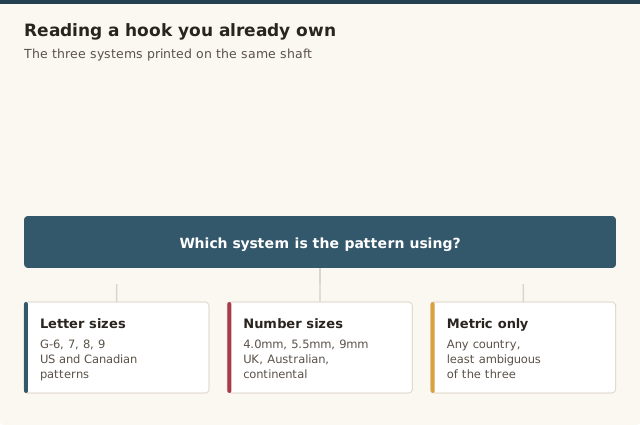
Most modern hooks print the millimetre size directly on the handle or shaft, usually followed by the US letter in smaller text. If yours only shows a letter with no millimetre number, it's likely an older hook — check the table above by matching the letter, not the number after it, since numbering has shifted slightly between manufacturers over the decades.
If you're working from a Japanese pattern, the sizing system is different again: Japanese hooks are numbered directly by millimetre diameter with no letter or UK number attached, so a hook marked simply "5.0" in Japan is the same 5.0mm hook listed above as US H-8 / UK 6. Japanese patterns therefore translate cleanly into the metric column, which is why it's the safest column to read when a pattern doesn't name a system.
Not sure which hook to buy in the first place? Our beginner hook buying guide covers ergonomic, aluminum, and full set options.
Does hook material matter as much as size?
Size determines the physical dimensions of your stitches, but material shapes how the hook feels to actually use, and that affects your results too. Aluminum hooks are the most common: smooth, lightweight, and fast, with yarn sliding easily off the head. Ergonomic hooks add a thicker, often soft-grip handle that reduces hand and wrist strain over long sessions — worth considering if you crochet for hours at a time, and covered in more depth in our hooks for arthritis guide.
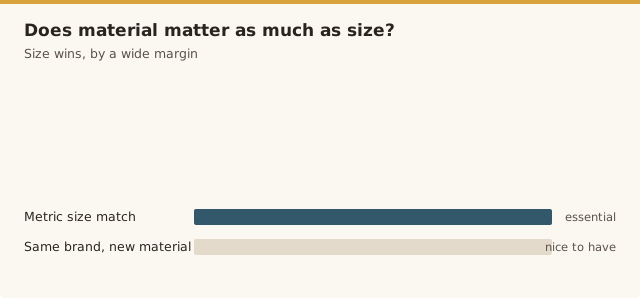
Wood or bamboo hooks have more texture to the surface, which grips slippery yarns like acrylic ribbon, silk blends, or bamboo yarn better than smooth metal does — useful if stitches keep sliding off your hook mid-row. None of this changes the millimetre size, but switching materials can shift your tension slightly, so it's worth a quick swatch check if you change hook material partway through a size-sensitive project.
Common sizing mix-ups
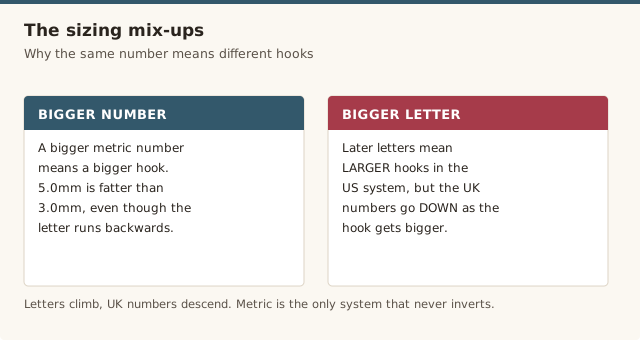
Fix: US and UK sizing use overlapping numbers that mean different things, and even US lettering has shifted slightly between manufacturers over time. Always cross-check the millimetre size printed on the hook or packet before buying or substituting.
Fix: that's true for millimetre and US sizing, but reversed for UK and old imperial sizing, where a smaller number is a larger hook. Check which system a hook or pattern uses before comparing numbers directly.
Fix: hook size alone doesn't guarantee gauge. Personal tension, yarn brand, and hook material all shift stitch size slightly. Crochet a small gauge swatch before starting anything where the finished size matters — see our guide to fixing project size.
Hook size FAQ
What does the letter on a crochet hook mean?
US hook sizes use a letter and number together, like H-8. The letter is the US sizing system; the number is roughly the metric size in millimetres rounded down. UK and old sizing use different numbers entirely, which is why checking the millimetre size is the safest way to compare hooks.
Is a bigger hook number a bigger hook?
In millimetre and US letter sizing, yes, a higher number means a larger hook. In UK and old imperial sizing it's reversed, a smaller number means a larger hook, which is the most common source of confusion when reading older patterns.
Why do my stitches look different from the pattern photo even with the right hook size?
Hook size alone doesn't guarantee matching gauge. Your personal tension, the yarn brand, and even the hook material can shift your stitch size. Always crochet a small gauge swatch before starting a sized project.
Does the material a hook is made from actually matter?
Yes, for comfort and yarn grip more than for the finished size. Aluminum hooks are smooth and fast, ergonomic soft-grip handles reduce hand strain on long sessions, and wood or bamboo hooks grip slippery yarn like acrylic ribbon or silk blends better than metal.
Can I use a different hook material than the pattern used and get the same result?
Yes, as long as the millimetre size matches, since material affects feel and grip rather than the physical dimensions of the hook. Some crocheters do work slightly tighter or looser depending on how slick or grippy a hook feels, so it's worth swatching if you're switching materials for a size-sensitive project.
What crochet hook size should a beginner start with?
A 5.0mm (H-8) hook with worsted-weight yarn is the most forgiving combination to learn on — it's big enough to see your stitches clearly and common enough that almost every pattern you'll try early on uses it.
Why does the same hook size feel different between brands?
Even when the millimetre size matches, the shape of the head, the taper of the throat, and the handle all vary between manufacturers, which changes how the hook feels and can nudge your tension. Swatch when switching brands for a size-sensitive project.
CrochetGuides is a participant in the Amazon Services LLC Associates Program. As an Amazon Associate we earn from qualifying purchases, at no extra cost to you.