Yarn Types Explained: Fibers, Weights & What to Buy First
What wool, cotton, acrylic, bamboo, alpaca, silk, and novelty yarns actually do in your hook, and which ones to buy first.
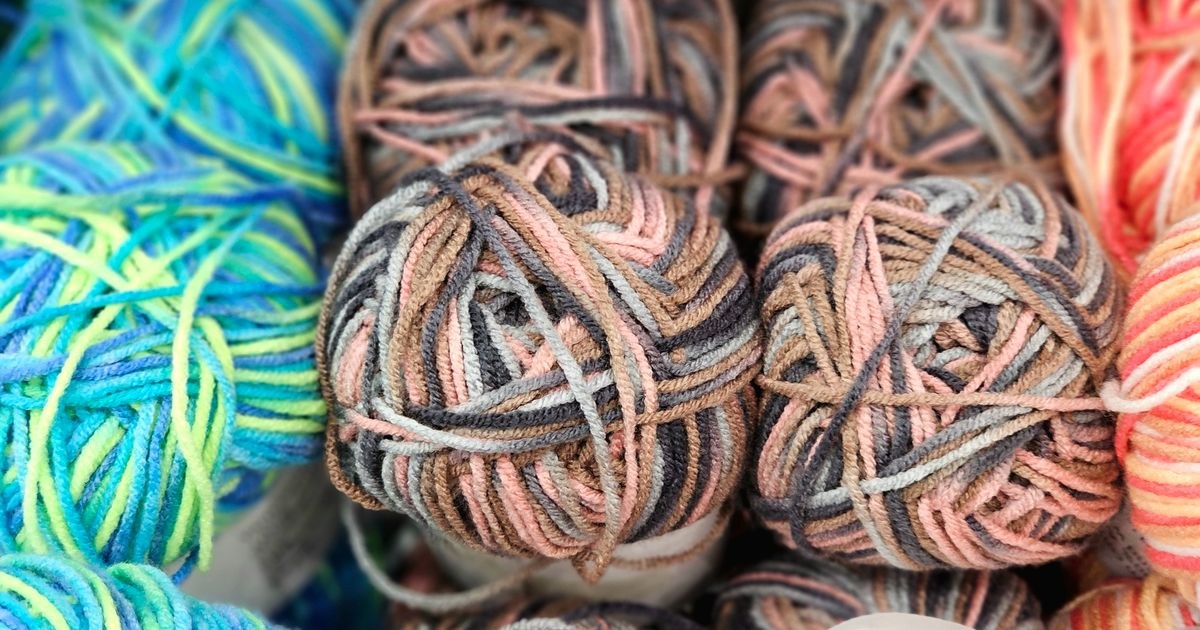
Every January, my beginner class starts with the same quiet confusion. I hold up three balls of yarn — a springy cream wool, a glossy cotton, and a squishy pink acrylic — and ask which one is the "nice one." Half the class points at the wool because it cost more. The other half points at the cotton because it looks natural. Almost nobody points at the acrylic, and yet the acrylic is the one that will carry most of them to a finished first project without a single snag, melt, or washday disaster.
Yarn types aren't a snobbery test. They're a set of practical trade-offs: how the fabric drapes, how clearly your stitches show, how it stretches, how it washes, and how much it costs. Once you know the handful of fibres and what they actually do in your hook, choosing yarn stops feeling like a gamble and starts feeling like shopping with a plan.
Natural vs. synthetic fibers
Yarn comes from two families. Natural fibres come from animals or plants: wool from sheep, alpaca from alpacas, silk from silkworms, cotton from the cotton plant, and bamboo from the plant itself, usually processed into a rayon-style fibre. Synthetic fibres are made in factories from polymers — acrylic, nylon, and polyester are all spun from plastic. Then there are blends, which mix the two to borrow the best of each.
The split matters because each family behaves differently in your hook. Natural fibres tend to be breathable, warm, and blockable, but they can be pricey and more finicky to wash. Synthetics are cheap, tough, and machine-washable, but they're less breathable and can look shiny or feel plasticky in the wrong hands. Neither is "better." They're better for different jobs, and the whole point of this guide is to help you match the job to the fibre. If thickness is the other half of the yarn puzzle and it still confuses you, our yarn weight guide explains that side in plain terms.
The 8 yarn fibers compared
Here are the eight yarn types you'll actually meet in a shop, and what each one does in crochet. Read the descriptions first, then use the table as a cheat sheet when you're standing in front of a wall of yarn.
Wool. Wool is my go-to for anything warm and shaped. It has natural memory — it bounces back into shape after being stretched — and it blocks beautifully: you can pin it into shape, dampen or steam it, and it will hold that shape for years. Wool is warm even when wet, which is why hikers still trust it. The downsides: it can felt or shrink in a hot wash, it pills with hard wear, and cheap wool can itch against bare skin. If your budget allows one "nice" skein, make it a wool.
Cotton. Cotton is the honest, no-nonsense fibre. No stretch, no halo, no mystery — what you stitch is what you get, and every stitch shows up crisp and clear. That makes it perfect for dishcloths, market bags, amigurumi, and summer garments. It drinks water and washes without fuss, though it can shrink a touch on the first wash and it gets heavy when wet. The trade-off is drape: cotton hangs stiffly rather than flowing, which is exactly why it holds a bag's shape, and exactly why a lacy shawl in pure cotton looks a bit wooden.
Acrylic. Acrylic is the beginner's best friend and the snob's worst enemy, which tells you more about snobs than about acrylic. It's cheap, comes in every colour under the sun, is machine-washable, and is soft enough for blankets and garments. It has no natural memory, but its manufactured springiness is close enough for most projects. The real warnings are practical: it can look shiny in bright solid colours, it pills with friction, and it will melt — not shrink, melt — under a hot iron, so never press it. For a first project, it's hard to beat.
Acrylic blends. When a label says "acrylic blend," it usually means acrylic softened with wool or nylon. The point is to keep acrylic's cheap, washable, durable personality while borrowing a bit of wool's warmth or a bit of nylon's strength. Blends tend to feel nicer than 100% acrylic, resist the worst of the shine, and are often still machine-washable. They're a lovely middle step: more pleasant than acrylic, less fuss and cost than pure wool.
Bamboo. Bamboo yarn is usually bamboo viscose, and it feels the way you hope it will: cool, silky, and heavy, with a gentle drape. It's a favourite for summer tops and wraps because it breathes and hangs like liquid. The catch is that it's slippery and splitty — it slides off your hook and the plies separate easily — and it stretches when wet, so you should dry it flat. It's gorgeous, but I usually steer true beginners away from it until their tension is steady.
Alpaca. Alpaca is wool's softer, warmer, more expensive cousin. It has no lanolin, so it rarely itches, and it's noticeably warmer than sheep's wool by weight. It drapes heavily and beautifully, with a soft halo, but it has almost no memory — an alpaca garment will stretch and stay stretched — and it costs more. It's a joy for winter scarves, hats, and shawls, and less ideal for anything that needs structure.
Silk. Silk is the luxury fibre, and it behaves like it: a gorgeous sheen, superb strength, and a drape that makes even simple stitches look expensive. It has no elasticity, so pure silk garments can stretch out of shape, which is why silk is usually blended with wool or cotton. It's pricey and needs gentle hand washing. Save silk for special shawls and wraps where the drape is the whole point.
Novelty yarns. "Novelty" covers eyelash, bouclé, chenille, ribbon, sequin, and anything with texture baked in. They're fun to look at and genuinely miserable to crochet with as a beginner, because you can't see the individual stitches to count them, and frogging (ripping back) turns into a tangled fight. I use them only as an accent — a trim, a cuff, one stripe — never as a whole project. If a fluffy scarf is calling your name, save it for project number five.
| Fiber | Drape | Stitch definition | Stretch | Care | Cost |
|---|---|---|---|---|---|
| Wool | Medium | Good | High (memory) | Hand wash or superwash | $$–$$$ |
| Cotton | Stiff | Excellent | None | Machine wash | $ |
| Acrylic | Medium | Good | Low (springy) | Machine wash | $ |
| Acrylic blend | Medium | Good | Medium | Usually machine wash | $ |
| Bamboo | Flowing | Soft, blurred | Low | Gentle, dry flat | $$ |
| Alpaca | Heavy flow | Soft (halo) | Low | Gentle hand wash | $$$ |
| Silk | Flowing | Soft | None | Hand wash | $$$$ |
| Novelty | Varies | Hidden | Varies | Per ball band | $$–$$$ |
How fiber affects drape and stitch definition
Two words get thrown around in yarn reviews and deserve a plain translation, because they decide whether your finished project looks like the photo or not.
Drape is how the fabric hangs and moves. A yarn with good drape falls into soft folds; a yarn with poor drape holds itself up stiffly. Drape comes mostly from the fibre and partly from your tension. Bamboo, silk, and alpaca drape beautifully; cotton and stiff acrylic hold their shape instead. That's why the same shawl pattern looks flowing in silk and faintly rigid in cotton.
Stitch definition is how clearly each individual stitch shows up. Crisp, plied, smooth fibres — cotton and most worsted wool — give you sharp, legible stitches. Fluffy or haloed fibres — alpaca, mohair, and most novelty yarns — blur the stitches into a soft fuzz. When you're learning, you want high stitch definition so you can actually see what you're doing; when you want a cosy, fuzzy halo, you accept the blur as a feature.
Stretch is the third trait hiding in the background. Wool has memory, so it springs back; cotton and silk do not, so they grow and stay grown. A cardigan in wool keeps its shape; the same cardigan in cotton sags at the elbows by spring. None of this is good or bad — it's information. Match the trait to what the project needs, and you'll rarely be surprised by the finished result.
Care & washing
Nothing ruins a handmade gift faster than the first wash, so let's talk about what each fibre actually survives.
Wool felts when you combine three things: heat, water, and agitation. A hot machine wash with spin is the perfect recipe to turn a lovely hat into a doll-sized felted one. "Superwash" wool has been treated to resist this and can usually go through a gentle cool cycle, but the ball band is your contract — read it.
Cotton is the low-drama option: machine-washable and durable, though it can shrink slightly on the first wash and stretches when heavy with water, so dry it flat when you can.
Acrylic and most acrylic blends go straight in the machine and come out fine, which is why they're the standard choice for baby blankets and charity projects. The one rule: never iron acrylic. It melts into a shiny, stiff scar and the project is ruined.
Silk, alpaca, and most luxury fibres want a gentle hand wash in cool water and flat drying. It's more effort, but these are usually the projects you make to keep, so it's worth it. Bamboo stretches when wet, so always dry it flat and never hang it while it's soaked.
Whatever the fibre, the ball band tells you the truth. And for anything you want to shape — lace, squares, garments — blocking is the step that turns a wonky object into a polished one. Our guide to blocking crochet walks through it stitch by stitch.
Which fiber to pick for which project
Here's my plain answer to "which yarn for which project," built from a decade of watching students succeed and struggle:
- Amigurumi and toys: cotton or a cotton-acrylic blend, worked tight. You want no stretch and crisp stitches so the pieces hold their shape. For a full rundown, see our guide to the best yarn for amigurumi.
- Baby blankets and gifts for new parents: cotton, acrylic, or a blend — anything machine-washable. Parents don't have time for hand-wash care labels.
- Winter scarves, hats, and mittens: wool or alpaca. Warmth and memory are the whole job.
- Summer tops and wraps: cotton, bamboo, or a blend. You want breathable drape, not a sauna.
- Dishcloths and market bags: cotton, every time. It absorbs, holds its shape, and washes.
- Lace shawls and special wraps: silk, a silk blend, or a drapey bamboo. The drape is the point.
- Your very first project: a smooth worsted acrylic or acrylic blend, full stop. Pair it with a 5.0mm hook and you're set — our beginner hook guide has the full chart.
If you're choosing between two yarns and one is prettier but the other matches the project's needs, take the one that matches. I've rescued too many students who chose the prettier ball and spent weeks fighting it. Fibre first, colour second — the same rule I teach for yarn weight.
Common mistakes & fixes
Fix: wool plus a hot wash equals felting and shrinkage. For anything you're giving to non-crafters, choose a machine-washable cotton or acrylic so the gift survives the laundry, not just the gifting.
Fix: acrylic doesn't breathe. For warm-weather garments, switch to cotton, bamboo, or a blend so the fabric actually lets heat escape.
Fix: you can't see the stitches, so you can't count them or spot a dropped one. Start on a smooth worsted acrylic or cotton, and save the fluffy yarn for a later trim or accent.
Fix: these fibres have no grip and no crisp stitch definition. Amigurumi wants cotton or acrylic worked tight on a small hook so the stuffed pieces keep their shape.
Fix: read the ball band before you buy. "Superwash" wool can handle a cool gentle cycle; regular wool needs hand washing in cool water and flat drying.
Fix: lace relies on drape. Choose a fibre that flows — bamboo, silk, a silk blend, or alpaca — and let the yarn do the hanging for you.
Frequently asked questions
What yarn type is best for absolute beginners?
A smooth, medium-weight acrylic or acrylic blend. It is affordable, machine-washable, comes in clear solid colours, and shows your stitches well enough to spot mistakes while you are still learning.
Is acrylic yarn worse quality than wool?
Not for every project. Acrylic is less warm, less breathable, and can look shiny, but it is cheaper, easier to wash, and more forgiving. Wool wins for warmth, drape, and blocking; acrylic wins for cost, care, and durability in high-wash items.
Which fiber is best for amigurumi?
Cotton or a cotton-acrylic blend, worked tight on a small hook. Cotton has no stretch and crisp stitch definition, so the stuffed pieces hold their shape instead of going floppy. Acrylic is a close second and cheaper for practice pieces.
What is the difference between wool and acrylic?
Wool is an animal fiber that is warm, elastic, and blockable but can shrink or felt if washed in heat. Acrylic is a synthetic fiber that is cheap, machine-washable, and colourful but less breathable and less warm, and it can melt under a hot iron.
Can I wash a cotton crochet item in the washing machine?
Usually, yes. Cotton is machine-washable and gets softer with washing, though it can shrink a little on the first wash and stretch when heavy with water. Follow the ball band, and dry cotton flat when you can so it does not sag.
Why does my cotton project feel stiff and lack drape?
Cotton has no memory or elasticity, so a tight tension on a small hook makes it feel board-like. Loosen your tension or go up a hook size, and consider a cotton blend or bamboo if you want softer drape. Blocking also relaxes the stitches.
Which yarn type is best for a baby blanket?
Anything the parents can machine-wash, which usually means cotton, acrylic, or a blend. Avoid pure wool and anything marked hand-wash, because a baby blanket gets washed constantly and a gift that shrinks on the first cycle is a gift that never gets used.
CrochetGuides is a participant in the Amazon Services LLC Associates Program. As an Amazon Associate we earn from qualifying purchases, at no extra cost to you.