5 Easiest Crochet Projects for Absolute Beginners
Ranked from easiest to slightly harder, using only chain and single crochet — no pattern-reading panic required.
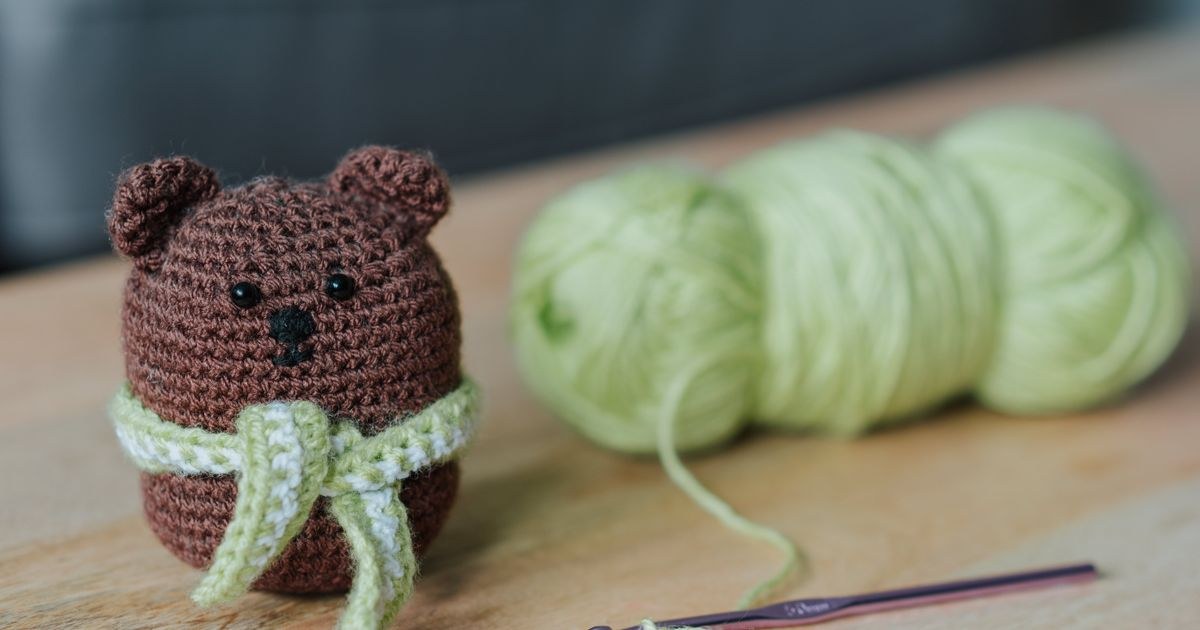
A friend once asked me to help her learn crochet, and her first instinct was a fitted cardigan she'd seen on Pinterest, because, in her words, the small stuff seemed boring. She gave up after a week, convinced she simply wasn't cut out for it. What she actually needed wasn't more patience — it was a smaller project where a mistake cost ten minutes instead of an evening. I've seen the same pattern in my classes a dozen times since, and it's exactly why I built this list of the easiest crochet projects: each one uses nothing but chain and single crochet, so the only new thing you're learning is how the shape comes together, not a pile of stitch types at once.
The five projects, easiest first
Flat dishcloth or coaster
Chain a row of about 20 stitches, then single crochet back and forth until you have a square. There's no shaping to think about, so all your attention goes to keeping tension even — the single most useful skill for everything that comes after.
Get the full dishcloth pattern →Granny square coaster or mini blanket square
The classic granny square introduces working in rounds and a bit of colour-changing, without any increases or decreases to calculate. One square makes a coaster; four or nine sewn together make a small blanket.
Get the full granny square tutorial →Simple single crochet scarf
Same skill as the dishcloth, just longer — which is exactly the point. A scarf is where most beginners notice their tension get more consistent halfway through, simply from repetition.
Get the full scarf pattern →Basic single crochet beanie
Your first project with real shaping: rounds that grow to form the crown, then stay flat for the body of the hat. It's a good next step once flat projects feel comfortable, and gives you a wearable result fast.
Get the full beanie pattern →Mini amigurumi ball or keychain
A small taste of amigurumi technique — continuous rounds, increases and decreases — without committing to a full stuffed animal. See our amigurumi guide once you're ready to go bigger.
Get the full amigurumi ball pattern →What you'll need for all five
Every project above uses the same basic kit — you don't need to buy anything new between them:
- A 5.0mm hook (see our hook buying guide if you don't have one)
- Worsted-weight cotton or acrylic yarn in a light colour (our yarn weight guide explains why weight matters more than colour)
- A pair of scissors and a yarn needle for weaving in ends
Our picks
Ergonomic crochet hook set, 9 sizes
Covers 5.0mm plus every size you'll want once you move past these five projects into patterns that call for something different.
View on Amazon →Cotton worsted-weight yarn, 3-pack
Enough yarn to make several of these projects without running out mid-square, in a light colour that makes your stitches easy to see.
View on Amazon →If you get stuck partway through
Every one of these projects will probably hit a snag at some point — a row that looks wrong, a stitch count that doesn't add up, a shape that doesn't match the photo. That's a normal part of learning, not a sign to give up. Stop at the point of confusion and count your stitches against what the pattern says you should have, rather than pushing forward hoping it sorts itself out.
Most beginner snags trace back to one skipped or extra stitch a few rows back, and it's almost always faster to unravel (frog) back to that point and redo it than to try to disguise or work around it. Our common crochet mistakes guide covers the specific fixes for curling edges, random holes, and tension creep if any of these five projects run into one of those.
Common mistakes & fixes
Fix: a fitted garment or complex stitch pattern as a first project usually means a much longer road to a finished result, which is discouraging before you've built any confidence. Work through at least one or two projects from this list first, even if a bigger project is the real goal.
Fix: dark colours and fuzzy or heavily textured yarns hide your stitches, making it much harder to see and fix mistakes as a beginner. A light, smooth, worsted-weight cotton or acrylic makes every stitch easy to see clearly.
Fix: pattern photos are usually made after years of consistent tension, sometimes after several attempts at the same project. A first try that's a bit uneven or a slightly different size is a normal, expected result, not a sign of doing it wrong.
Frequently asked questions
What is the easiest thing to crochet for a total beginner?
A flat dishcloth or coaster is the easiest true first project. It only uses chain and single crochet, stays a consistent stitch count, and finishes in under an hour, so mistakes are easy to spot and cheap to redo.
How long does it take to finish your first crochet project?
A small flat project like a coaster or dishcloth typically takes 30 to 60 minutes once you've learned the two basic stitches. A scarf or beanie takes several sessions spread over a few days for most beginners.
Should my first project be something I actually plan to use?
Not necessarily. A practice swatch or small project made purely to learn tension is normal, and most crocheters have an early piece that never leaves the yarn basket. Treating the first attempt as practice removes the pressure to make something perfect.
What should I do if I get stuck partway through my first project?
Stop and count your stitches against what the project should have at that point, rather than pushing forward on a hunch. Most beginner snags trace back to a single skipped or extra stitch a few rows back, which is much easier to fix by frogging back a short distance than by trying to force the rest of the piece to match.
Is it normal for my first project to look nothing like the photo?
Completely normal. Pattern photos are usually made by someone with years of consistent tension, often after several attempts. A first project that's a bit uneven or a slightly different size is a normal learning result, not a sign the craft isn't for you.
What yarn is best for a beginner's first project?
A light, smooth, worsted-weight cotton or acrylic is ideal, because light colours and smooth texture make every stitch easy to see and count. Avoid dark, fuzzy, or heavily textured yarns until you can read your own stitches reliably.
Do I need to learn to read a pattern before my first project?
Not fully, every project on this list is written out in plain steps, so you can follow along without formal pattern-reading skills. Knowing your chain and single crochet abbreviations is enough to start.
CrochetGuides is a participant in the Amazon Services LLC Associates Program. As an Amazon Associate we earn from qualifying purchases, at no extra cost to you.