Free Single Crochet Dishcloth Pattern for Beginners
A true beginner pattern using only chain and single crochet — finishes in under an hour.
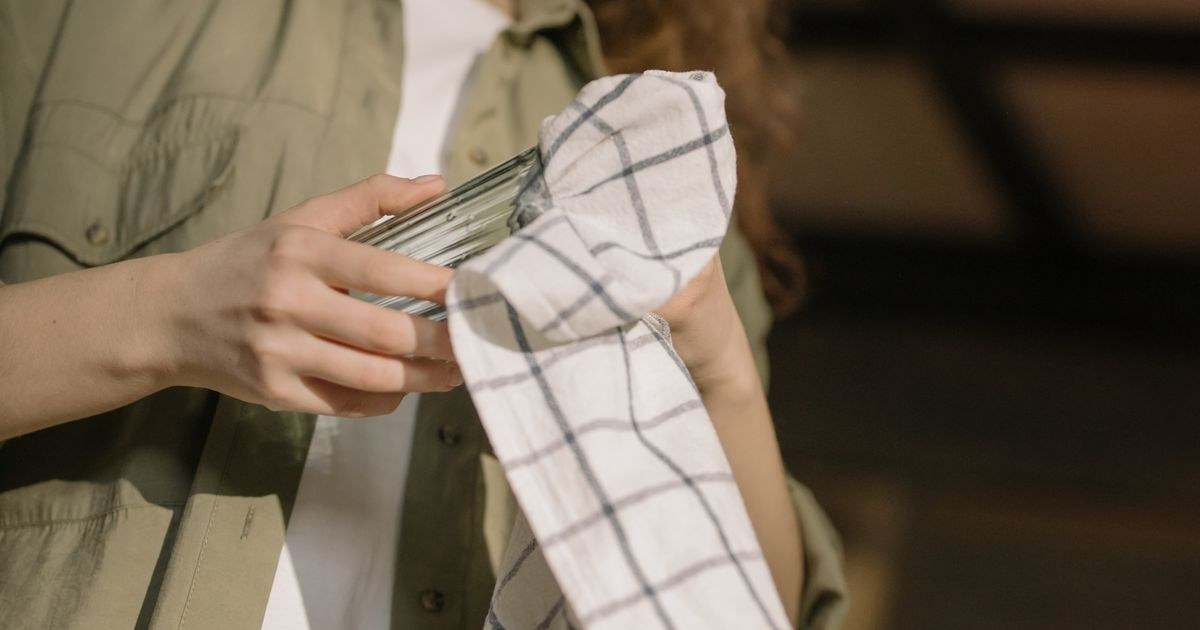
My very first finished crochet project was a dishcloth, and I've handed the same simple square to every beginner I've taught since, because it's the one project that teaches tension without punishing mistakes. I made four in a row before moving on to anything else, and by the fourth my edges had gone from wobbly to straight in a way no amount of reading could have produced. The dishcloth works because it's small enough that a mistake costs you twenty minutes, not a weekend, and because cotton yarn hides nothing — you can see exactly where each stitch sits. It's also genuinely useful, which matters more than it sounds: finishing something you'll actually wash dishes with feels far better than finishing a practice swatch you'll throw in a drawer.
Materials
- 1 skein worsted-weight cotton yarn (about 50–60 yards used)
- 5.0mm (US size H) crochet hook
- Scissors
- Yarn needle, for weaving in ends
Abbreviations (US terms)
| Abbr. | Means |
|---|---|
| ch | Chain |
| sc | Single crochet |
| st(s) | Stitch(es) |
Not sure what these mean in practice? Our abbreviations glossary covers US and UK terms side by side.
Gauge
Exact gauge isn't critical for this project — a dishcloth is forgiving on size. As a rough guide, 14 sc and 16 rows should measure about 4in / 10cm square with a 5.0mm hook and worsted yarn.
Notes
- Written in US terms. If you usually work in UK terms, see our abbreviations glossary before starting.
- The starting chain length below makes a roughly 7in / 18cm square. Chain a few stitches fewer or more for a smaller or larger cloth — just keep your starting chain an odd number.
- Cotton yarn is recommended over acrylic for absorbency and durability through repeated washing.
Pattern
Chain 21.
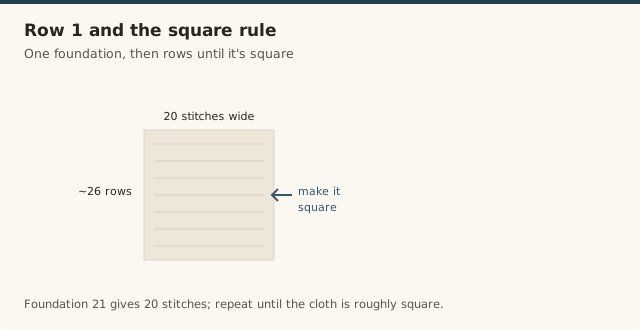
Single crochet in the 2nd chain from the hook, and in each chain across. Turn. (20 sts)
Chain 1 (does not count as a stitch), single crochet in each stitch across. Turn. (20 sts)
Repeat this row until your piece is roughly square — about 26 rows for a 7in / 18cm cloth, checking against your starting chain edge as you go.
Fasten off, leaving a 6in / 15cm tail. Weave in both ends with a yarn needle.
Resizing & variations
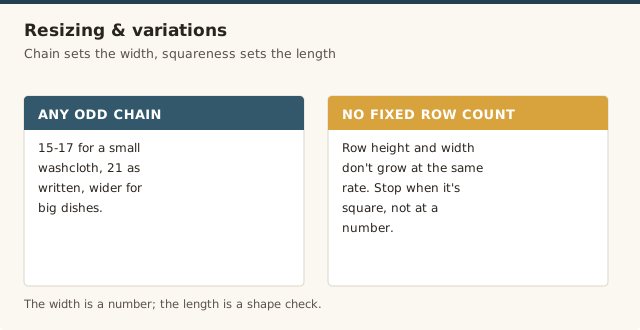
To make this dishcloth a different size, chain any odd number of stitches for the width, then repeat Row 2 until the piece measures roughly square against its own starting edge — there's no fixed row count to hit, just "keep going until it's a square." A smaller washcloth might only need 15-17 chains; an oversized one for bigger dishes could go up to 27 or 29.
Two easy additions once the basic square feels comfortable: a single round of sc worked evenly around all four edges gives a tidier finished look and a natural spot to add a hanging loop. Colour stripes just mean switching yarn colour at the start of any row — carry the unused colour up the side if you'll use it again within a few rows, or cut and rejoin if it'll be a while.
Common mistakes & fixes
Fix: this is almost always tension tighter than the pattern's gauge. Try a 5.5mm hook next time, or block the finished piece flat while damp to help it hold its shape.
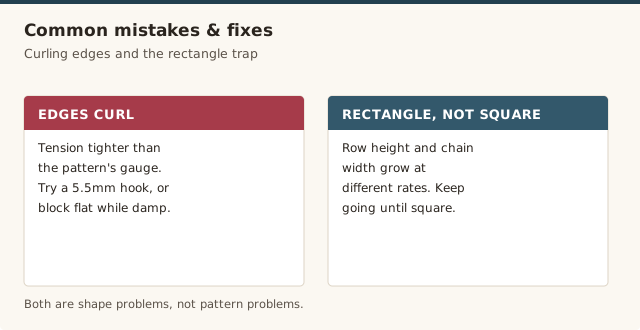
Fix: row height and chain width don't always grow at the same rate. Rather than trusting a fixed row count, hold the working piece up against its own starting edge every few rows and stop once the two sides match, regardless of the exact row number.
Fix: this is usually the yarn, not the stitch pattern. Acrylic yarn tends to feel stiffer for kitchen use; a 100% cotton yarn softens noticeably after its first wash and holds up better to repeated scrubbing.
Our pick
Cotton worsted-weight yarn, 3-pack
Enough yarn for several dishcloths from one order, in light colours that make it easy to see your stitches as you count rows.
View on Amazon →A quick, beginner-friendly project video, useful for seeing straightforward rows worked from start to finish.
Frequently asked questions
How much yarn do I need for a crochet dishcloth?
One dishcloth uses roughly 50 to 60 yards of worsted-weight cotton yarn, so a single 100-gram skein is enough for two or three dishcloths.
Why is cotton yarn recommended for dishcloths instead of acrylic?
Cotton is more absorbent and holds up better to repeated washing and scrubbing than acrylic, which can pill and doesn't absorb water as well. It's the standard fibre choice for anything meant to get wet and washed often.
How do I keep the edges of my dishcloth from curling?
Curling on a single crochet dishcloth is usually caused by tension tighter than the pattern's gauge. Try a slightly larger hook, and block the finished piece flat while damp to help it hold its shape.
Can I make this dishcloth a different size?
Yes. Chain any odd number of stitches for the width you want, then work rows of single crochet until the piece is roughly square, checking the row height against the starting chain edge as you go rather than counting to a fixed row number.
Can I add a border or stripes to this dishcloth?
Yes, both are simple additions. A round of single crochet worked evenly around all four edges after finishing gives a tidier edge and a spot to add a hanging loop. Stripes just mean changing colour at the start of any row, carrying the unused colour up the side if you'll use it again soon.
Do I need to block a crochet dishcloth?
Not strictly, but a quick block helps it lie flat and even after washing, especially if the edges have curled from tight tension. Simply pin or smooth it flat while damp and leave it to dry.
Can I use this pattern for a washcloth or facecloth?
Yes, the same single crochet square works as a washcloth or facecloth if you use a soft cotton and, for a facecloth, work at a slightly looser gauge so the fabric feels gentler on the skin.
CrochetGuides is a participant in the Amazon Services LLC Associates Program. As an Amazon Associate we earn from qualifying purchases, at no extra cost to you.