Free Crochet Pot Holder Pattern for Beginners
A double-thickness square worked in cotton, sized and built specifically for heat safety in the kitchen.
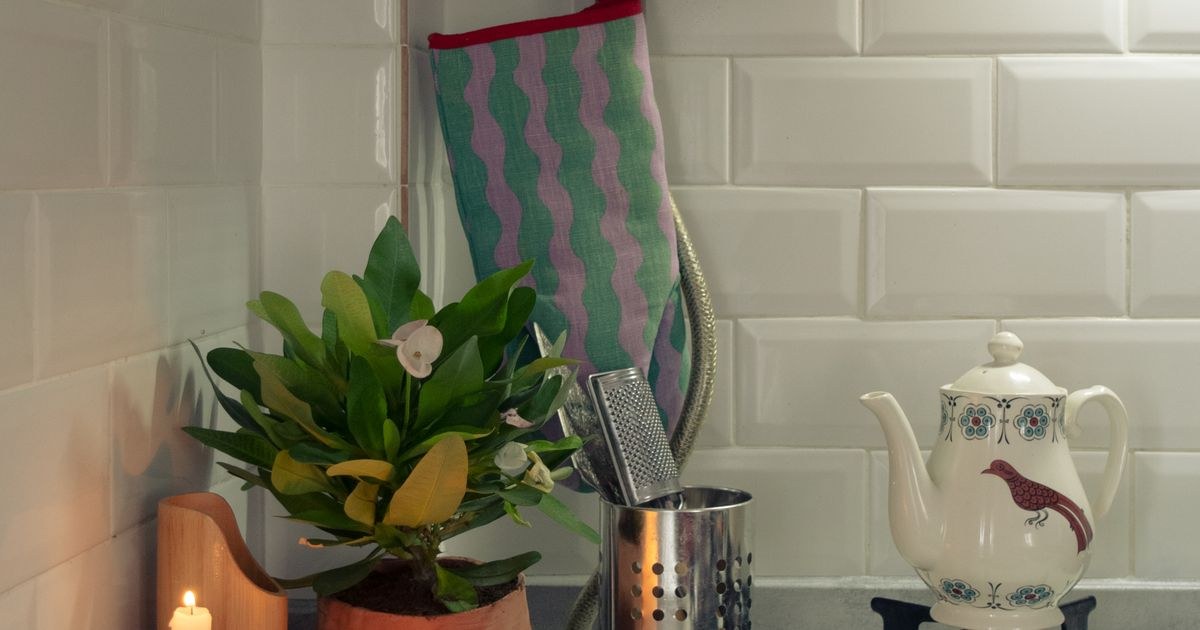
The pot holder is the first project I warn people about, because it's the only one where the yarn you choose genuinely matters for safety. A student once proudly showed me a beautiful pot holder she'd made from fluffy acrylic, and I had to explain, as gently as I could, that it would melt the first time she touched a hot pan. In my classes I make everyone hold their finished fabric up to the light: if you can see through it, it isn't thick enough to protect a hand. Cotton, worked tightly and doubled over, is the whole secret. It's a humble little square, but this crochet pot holder pattern taught me more about gauge and fibre than any scarf ever did.
The gauge rule I teach is dead simple: hold the finished square up to a window. If daylight comes through the stitches, steam and heat will come through too. That single test catches more dangerous pot holders than any instruction I could write, and I make every student do it before their first square leaves the classroom. Once you've got a dense, opaque fabric, the rest is just joining two squares and adding a loop — no magic, just care.
Materials
- 1 skein 100% cotton worsted-weight yarn (about 100–120 yards)
- 4.0mm (US size G) crochet hook — smaller than usual, for a tighter, safer fabric
- Scissors
- Yarn needle, for weaving in ends
Abbreviations (US terms)
| Abbr. | Means |
|---|---|
| ch | Chain |
| sc | Single crochet |
| st(s) | Stitch(es) |
See our abbreviations glossary for the full list including UK terms.
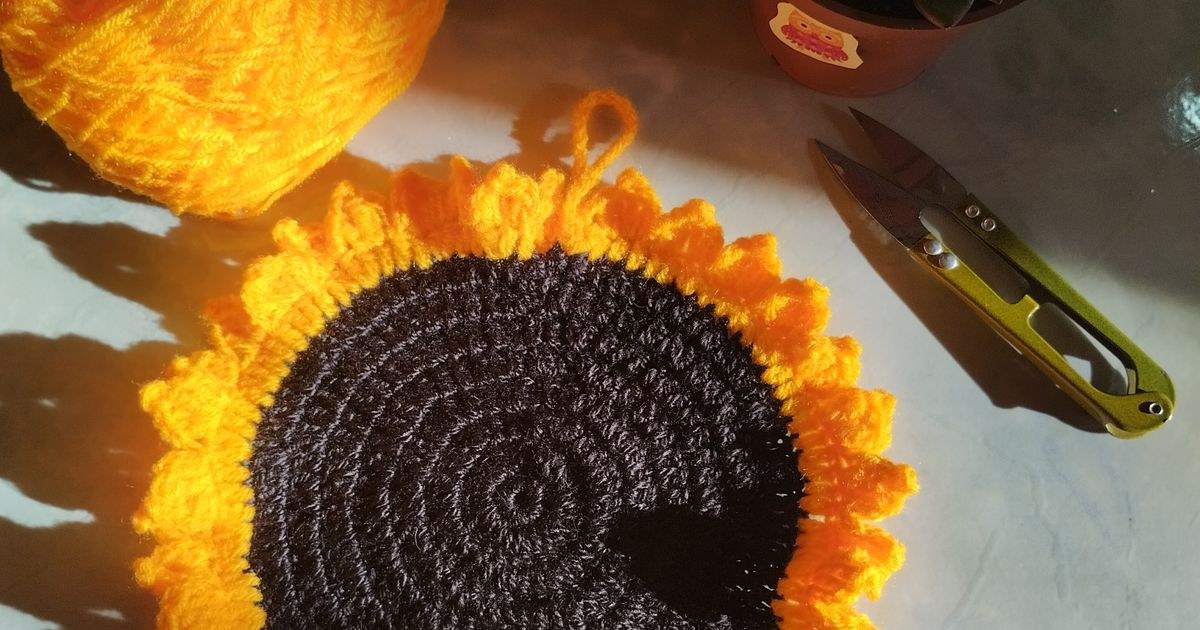
Gauge
16 sc and 18 rows measures about 4in / 10cm square with a 4.0mm hook and cotton yarn — noticeably tighter than our other patterns, which is intentional for heat safety.
Notes
- Written in US terms, using the same flat single crochet technique as our dishcloth pattern, worked at a tighter gauge.
- Two identical squares are made and joined together for double thickness.
- Cotton yarn is not optional here — it's the safe choice for anything near heat.
Pattern (make 2 identical squares)
Chain 33.
Single crochet in the 2nd chain from the hook, and in each chain across. Turn. (32 sts)
Chain 1 (does not count as a stitch), single crochet in each stitch across. Turn. (32 sts each row)
Repeat until the square measures about 8in / 20cm, roughly 32 rows for this gauge. Fasten off, leaving a long tail on the second square only.
Hold both squares together with wrong sides facing in. Using the tail left on the second square, single crochet around all four sides through both layers at once, working 3 sc in each corner to keep it flat.
At one corner, before fastening off, chain 8 and slip stitch back into the same corner to form a hanging loop.
Fasten off and weave in all ends with a yarn needle.
A demonstration of crocheting a double-thick pot holder, useful for seeing how two layers are worked together for heat resistance.
Why cotton is non-negotiable
I get asked constantly whether a wool blend or a soft acrylic would "probably be fine." The answer with this project is no. Acrylic and most synthetics melt when they touch a hot pan, and a melted pot holder is useless and a burn risk in one. Wool insulates but scorches and shrinks. Plant fibres like cotton and linen are the safe choice because they resist heat, absorb moisture, and wash clean without degrading. Stick to 100% cotton in a worsted weight, and if you're ever unsure what a mystery ball is made of, the burn test in our yarn guide won't help you here — better to trust the label and buy cotton you can name.
Colour matters less than fibre, but dark shades hide scorch marks over time and light ones show stains from tomato sauce and oil more readily. I make my kitchen pot holders in mid-tone or heathered cotton so they still look decent after a year of real use. If you want a set, two or three in the same cotton but different colours make the rotation easy to tell apart when one is still hot.
Making it bigger or smaller
This square is sized for a standard pot or baking dish, but the same rules scale cleanly. For a larger pot holder — useful for casserole dishes or a full roasting tin — add chains to the foundation and work more rows, keeping the fabric dense the whole way. The important part is that you still make two identical squares and join them, because a single layer that large is harder to grip safely with two hands. For a smaller one, reduce the chain and rows but don't loosen up: a tiny pot holder still has to block heat, so keep the tight gauge even if the piece is mini. If your edges drift wider or narrower as you go, our guide to fixing project size explains how to spot and correct it early.
Washing, drying & longevity
Cotton pot holders machine-wash beautifully — warm or hot, with your kitchen linens, and straight into the dryer. The one habit to avoid is fabric softener, which coats the fibres and slightly dulls both their absorbency and their heat resistance over many washes. If a pot holder starts to look thin in the middle or you can see light through it again, it's time to retire it, because a worn pot holder is no safer than a thin one. To keep the corners flat after washing, smooth the square out and let it dry laid flat rather than scrunched — a quick press under a damp cloth also evens things out, as our blocking guide shows.
Cotton worsted-weight yarn, 3-pack
100% cotton, the correct material for anything handling heat in the kitchen.
View on Amazon →Common mistakes & fixes
Frequently asked questions
Is crochet safe to use as a pot holder?
Yes, when worked at a tight gauge in 100% cotton yarn and doubled for thickness. Loose stitches or synthetic yarn are not recommended, since synthetic fibres can melt at high temperatures.
Why should pot holders be worked double thickness?
A single layer of crochet fabric doesn't provide enough insulation to safely handle a hot pot or pan; working two layers together, or folding and joining two pieces, creates a barrier thick enough to protect hands.
What yarn is safest for crochet pot holders?
100% cotton worsted-weight yarn is the standard choice, since it doesn't melt like acrylic and holds up well to repeated washing.
Can I wash a crochet pot holder in the washing machine?
Yes, cotton pot holders machine-wash well on a warm or hot cycle and can go in the dryer. Avoid fabric softener, which can coat the cotton fibres and slightly reduce their heat resistance and absorbency.
How tight should my stitches be for a pot holder?
Tight enough that you can't easily see light through the fabric when you hold it up. Use a smaller hook than the yarn label suggests and check a swatch before starting, since a dense, opaque fabric is what makes the pot holder safe to handle hot cookware.
Can I make this pot holder bigger for casserole dishes?
Yes — add chains to the foundation and work more rows, then make a second identical square and join them. Keep the same tight gauge throughout, because a larger pot holder still has to block heat safely.
How often should I replace a crochet pot holder?
Replace it when the middle thins, light starts showing through the fabric, or the edges fray. A worn or scorched pot holder doesn't protect your hands, so treat them as replaceable kitchen tools rather than keep-forever heirlooms.
CrochetGuides is a participant in the Amazon Services LLC Associates Program. As an Amazon Associate we earn from qualifying purchases, at no extra cost to you.